
When buying a used van, running a van check feels like the responsible thing to do – and it absolutely is. However, thousands of UK van buyers make a costly assumption: that a clean check report means they've found a reliable vehicle. This misconception leads to expensive surprises, from hidden mechanical failures to undisclosed accident damage that no standard check can reveal.
A van history check is an essential first step, but it's designed to uncover specific risks like outstanding finance, theft records, and write-off history. What it cannot do is assess the mechanical condition, reveal poor maintenance, or guarantee that a van worth £25,000-£35,000 will serve your business reliably. The same applies to MOT checks, tax verification, and insurance confirmations – each serves a specific purpose within a much broader evaluation process.
Understanding these limitations isn't about undermining the value of van checks – it's about using them correctly. In this comprehensive guide, you'll discover exactly what each type of check covers, the critical gaps they leave, and the additional inspections that separate smart buyers from those who learn expensive lessons. Whether you're a tradesperson upgrading your fleet or a first-time van buyer, this knowledge will help you make informed decisions and avoid the pitfalls that catch thousands of UK buyers every year.
By the end of this article, you'll know how to combine comprehensive van checks with practical inspection techniques, ensuring you get the full picture before committing to any purchase. Let's explore what your van check results really mean – and what crucial information they're missing.
When purchasing a used van, many buyers believe that running a van check provides complete protection against hidden problems and costly surprises. This assumption leads to thousands of disappointing purchases across the UK every year, with buyers discovering serious mechanical issues, hidden damage, or ownership complications that their initial checks failed to reveal.
The reality is that no single van check—whether it's a history check, MOT verification, or insurance status lookup—tells the complete story about a vehicle's condition or suitability for your needs. Each type of check serves a specific purpose and covers particular risks, but significant gaps remain that only physical inspection and additional research can address.
Understanding these limitations doesn't diminish the value of van checks—they remain essential tools for eliminating high-risk vehicles and making informed decisions. However, knowing what these checks cannot tell you is equally important for avoiding expensive mistakes when investing £15,000 to £45,000 in a commercial vehicle that your business depends on.
This guide will reveal the critical gaps in standard van checking procedures and show you exactly what additional steps are necessary to make a truly informed purchase decision.
What Van History Checks Cannot Reveal
A comprehensive van history check provides valuable information about finance agreements, theft records, insurance write-offs, and mileage discrepancies. However, these checks focus entirely on administrative and legal status—they cannot assess the physical condition or mechanical health of the vehicle you're considering.
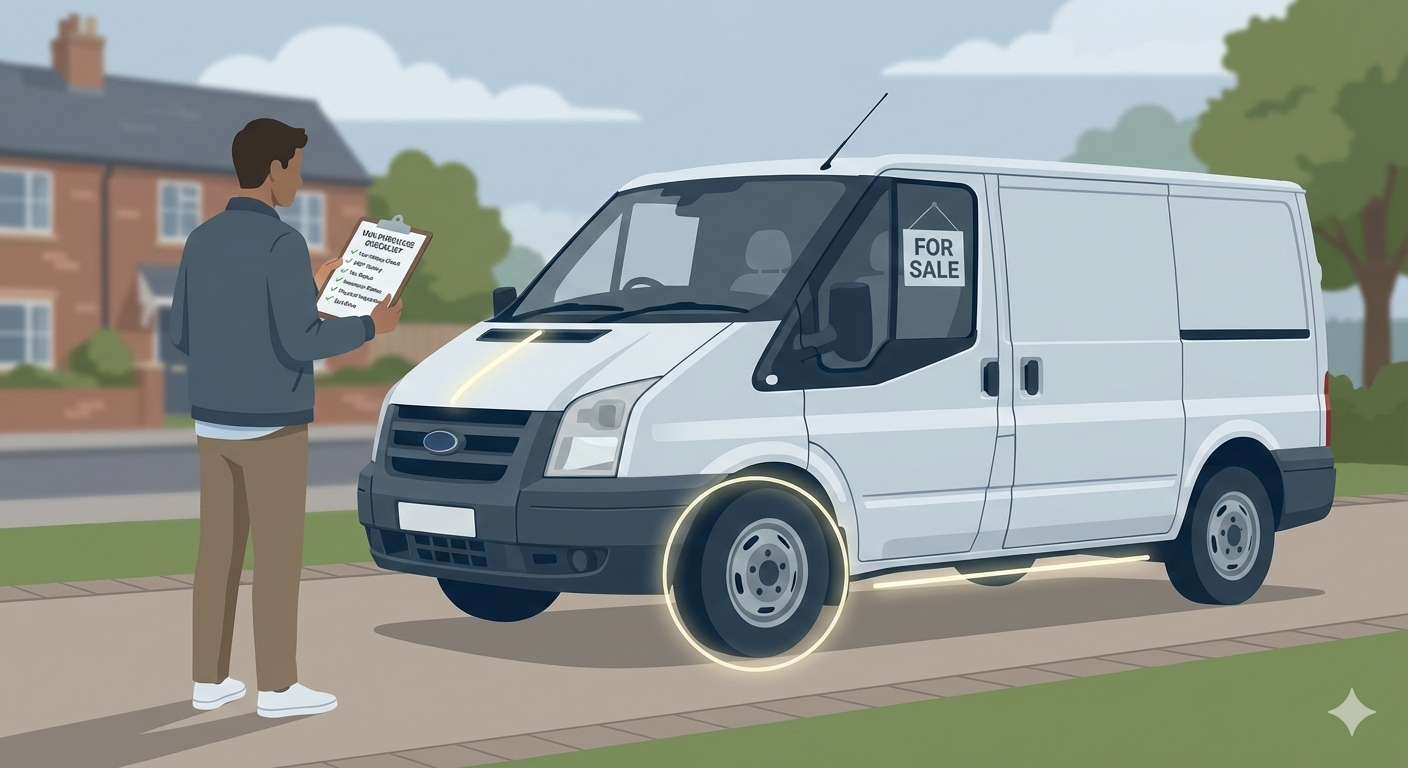
Most critically, van history checks cannot detect engine wear, gearbox problems, or clutch deterioration that could cost £3,000 to £8,000 to repair on popular models like the Ford Transit or Mercedes Sprinter. A van with a clean history report might have been driven aggressively, poorly maintained, or subjected to heavy towing that significantly reduces its remaining lifespan.
💡 Expert Tip: History checks also cannot reveal poor-quality repairs, accident damage that wasn't reported to insurers, or modifications that affect reliability and resale value.
Hidden Damage and Unreported Issues
Many significant problems never appear in official records. Flood damage, for example, might not trigger an insurance write-off if the van was dried out and cleaned before assessment, yet water ingress can cause electrical faults and corrosion that emerge months later. Similarly, minor accidents repaired privately to avoid insurance claims leave no trace in history databases.
Commercial vehicles often experience harsh working conditions that accelerate wear without generating reportable incidents. A delivery van that's been driven in stop-start city traffic for 80,000 miles will have significantly more clutch and brake wear than a motorway-driven equivalent, yet both vehicles show identical clean history reports.
MOT History Limitations
A van MOT check reveals test results and failure reasons, but the MOT itself only verifies minimum roadworthiness standards at the time of testing. Passing an MOT does not guarantee that a van is mechanically sound or suitable for commercial use—it simply confirms the vehicle met basic safety requirements on one specific day.
The MOT test deliberately excludes many components that significantly impact running costs and reliability. Clutch condition, gearbox operation, engine compression, and turbocharger health are not assessed, yet these elements often represent the highest repair costs for used van buyers.
Advisory Items Often Ignored
MOT advisory notices highlight developing problems that don't yet constitute failures, but many buyers overlook these warnings entirely. Advisories for brake pad wear, suspension deterioration, or exhaust corrosion indicate components approaching replacement, potentially adding £500 to £2,000 to your immediate ownership costs.
- ✓ Multiple advisories for the same component across consecutive tests indicate accelerating wear
-
✓
Brake-related advisories often
What a Van Check Will NEVER Tell You
While a comprehensive van check reveals crucial information about finance, theft, and write-off history, there are fundamental limitations every buyer must understand. No van check can assess the mechanical condition of the vehicle, which often represents the most expensive potential problems.
Engine wear, clutch deterioration, and gearbox issues can cost £3,000-£8,000 to repair on popular models like the Ford Transit or Mercedes Sprinter. These problems develop gradually through use and cannot be detected through database checks alone.
💡 Critical Reality: A van can pass every database check while having a failing clutch, worn turbo, or hidden electrical faults that will cost thousands within months of purchase.
Mechanical Issues Van Checks Cannot Detect
- ✓ Engine condition: Compression issues, timing chain wear, or turbo failure (£2,500-£6,000 repair costs)
- ✓ Transmission problems: Clutch wear, gearbox synchronisation, or automatic transmission faults
- ✓ Suspension fatigue: Worn springs, damaged shock absorbers, or commercial-grade suspension deterioration
- ✓ Hidden damage: Water ingress, structural repairs, or accident damage not reported to insurance companies
What You Must Always Check Separately
After completing your van history check, the real investigation begins. Professional buyers follow a systematic approach that combines database checks with physical inspection and mechanical assessment.
Essential Physical Inspections
Body and paintwork examination reveals crucial information about accident history and maintenance standards. Look for colour variations, panel alignment issues, or rust spots that indicate poor repairs or neglect. Commercial vans often show wear patterns that reveal previous usage - delivery vans typically have rear door damage, while trade vans may show ladder rack mounting points.
Check the vehicle identification number (VIN) on both paperwork and the physical van. The VIN should be clearly visible on the dashboard, door frame, and engine bay. Any signs of tampering, welding, or replacement plates require immediate investigation.
Comprehensive Test Drive Assessment
A thorough test drive reveals mechanical issues that no van check can detect. Pay particular attention to clutch engagement and gear changes - commercial vehicles often suffer premature clutch wear due to heavy loading and stop-start driving patterns.
Test the van both empty and, if possible, with typical load weight. Many gearbox and clutch problems only become apparent under load conditions. Listen for unusual noises from the engine bay, transmission, or differential during acceleration and deceleration.
How to Use Van Checks Properly
The most effective approach treats van checks as an initial screening tool rather than a final approval. Start with a van MOT check and van tax check to eliminate vehicles with immediate legal or safety issues.
ConclusionA comprehensive van check is absolutely essential when buying any used commercial vehicle, but it's crucial to understand that no single check provides a complete picture of a van's true condition. While a van history check can reveal critical information about finance, theft, and write-off history, it cannot tell you whether the clutch is about to fail, the turbo is wearing out, or the suspension needs replacing. These mechanical realities often represent the difference between a £25,000 bargain and a £35,000 money pit.
The most successful van buyers treat checks as powerful filtering tools rather than final approval stamps. Running a [van history check](https://www.onlyvans-uk.com/van-check/van-history-check/) should be your first step to eliminate vehicles with hidden finance or accident damage, followed by [MOT history analysis](https://www.onlyvans-uk.com/van-check/van-mot-check/) to spot patterns of recurring failures. However, these digital checks must be combined with thorough physical inspection, comprehensive test drives, and verification of service history to build a complete picture.
💡 Expert Tip: The most expensive van purchases are often those where buyers relied solely on a clean check report without inspecting the vehicle properly. A van with perfect paperwork can still have a failing gearbox or hidden rust damage worth thousands in repairs.
Remember that each type of check serves a specific purpose within your buying strategy. A [van tax check](https://www.onlyvans-uk.com/van-check/van-tax-check/) confirms administrative compliance but doesn't guarantee the seller's legitimacy, while a [van insurance check](https://www.onlyvans-uk.com/van-check/van-insurance-check/) provides current status that can change instantly after your inquiry. These limitations don't diminish their value—they simply highlight why a multi-layered approach is essential for making informed decisions in the £15,000-£45,000 used van market.
Your Complete Van Buying Checklist
The smartest van buyers follow a systematic approach that combines digital intelligence with hands-on verification. Start with a comprehensive [van check](https://www.onlyvans-uk.com/van-check/) to eliminate problematic vehicles before investing time in viewings. This initial screening can save you from wasting entire weekends looking at vans with hidden finance or undisclosed accident damage.
- ✓ Run digital checks early to filter out risky vehicles and focus on genuine opportunities
- ✓ Conduct thorough physical inspections focusing on areas checks cannot reveal
- ✓ Test drive comprehensively, paying attention to clutch feel, gear changes, and engine response
- ✓ Verify service history and maintenance records independently of check results
Professional van buyers understand that successful purchases result from combining multiple information sources rather than relying on any single verification method. A van with a clean history check but poor MOT patterns might indicate neglected maintenance, while a vehicle with minor advisory notes but comprehensive service records often represents better long-term value. This nuanced approach separates experienced buyers from those who end up with unexpected repair bills.
Making Informed Decisions
The used van market demands both digital intelligence and traditional inspection skills. While technology has made it easier than ever to verify a vehicle's legal status and documented history, the fundamental aspects of mechanical condition, build quality, and maintenance standards still require human assessment. Successful buyers leverage both approaches to minimize risk and maximize value in their commercial vehicle investments.
Understanding what a van check cannot tell you is just as important as knowing what it reveals. This knowledge helps you allocate your inspection time effectively, focusing on the mechanical and cosmetic aspects that digital checks cannot assess. Whether you're buying a £18,000 Transit Custom or a £40,000 Mercedes Sprinter, this balanced approach ensures you make decisions based on complete information rather than partial data.