Farizon Van UK: Complete Guide to the Electric SV (2026) | Only Vans UK
Home/Blog/Farizon Van UK Guide: Everything You Need to Know About the New Electric SV
Van News
Farizon Van UK Guide: Everything You Need to Know About the New Electric SV
The Farizon van is a new electric challenger from Geely entering the UK market. Built from the ground up as an EV, the Farizon SV promises serious range, payload, and power. But should you trust a brand-new name in the commercial vehicle world?
A new electric van brand is entering the UK market, and it's backed by one of the world's largest automotive groups. The Farizon van, specifically the SV (SuperVan) model, represents a serious attempt to challenge established names like Ford, Mercedes, and Volkswagen in the rapidly growing electric commercial vehicle sector.
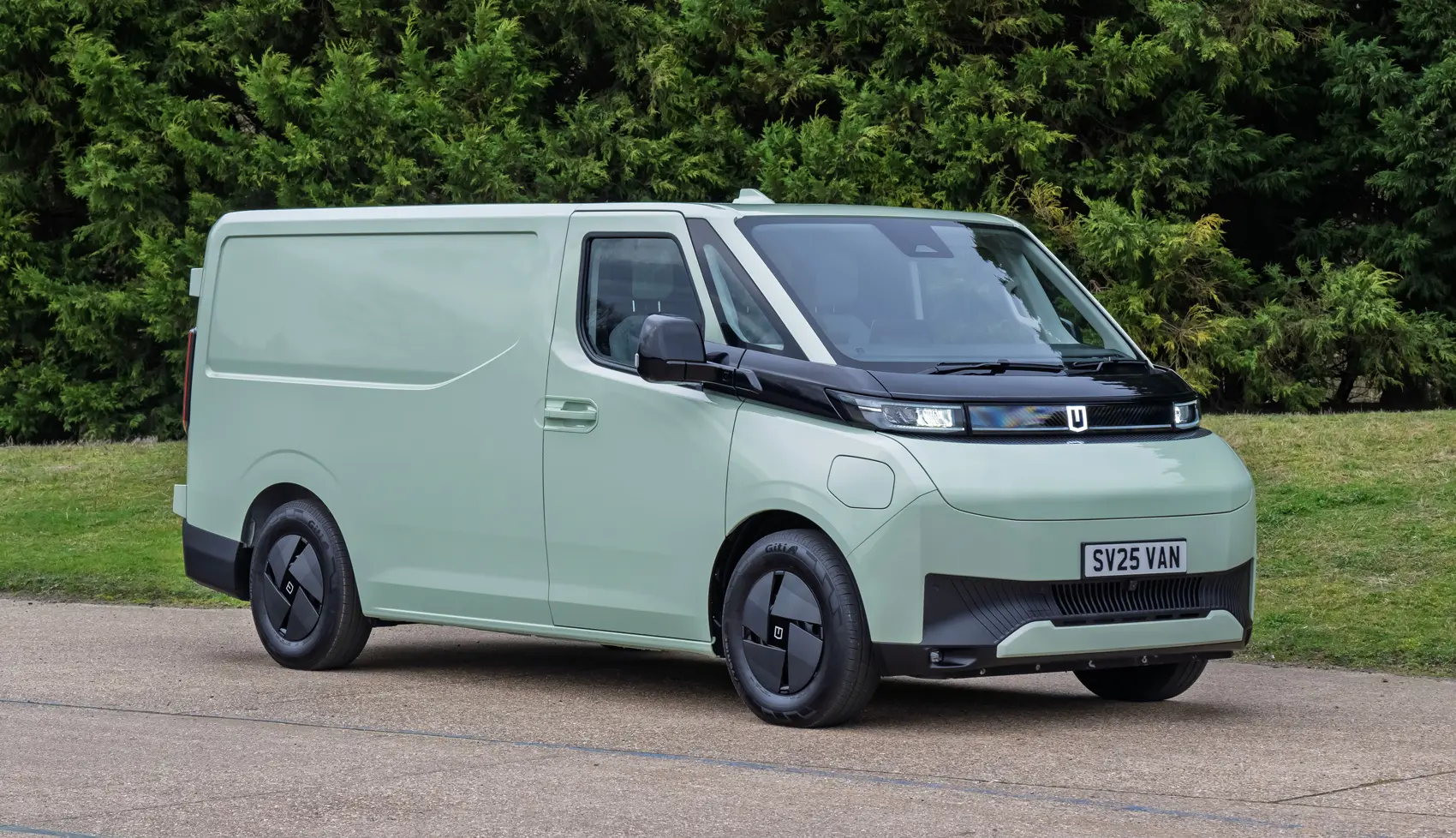
Unlike many electric vans that started life as diesel models before being converted, the Farizon SV was designed as an EV from day one. That means no compromises, no awkward battery placements, and a platform built specifically for electric power delivery.
But with a starting price around £45,000 plus VAT and limited brand recognition in the UK, is the Farizon van worth considering? Let's examine what this Chinese-built challenger brings to British roads.
What is Farizon Auto?
Farizon Auto is the commercial vehicle division of Geely, the Chinese automotive giant that owns Volvo, Polestar, Lotus, and holds significant stakes in Mercedes-Benz and Aston Martin. This isn't a startup operating from a garage—Farizon Geely has the engineering resources, manufacturing scale, and global supply chains of one of the world's top automotive groups.
The brand launched in 2021 with a specific focus: building electric commercial vehicles from scratch rather than converting existing diesel platforms. Farizon already operates in China and several European markets, with the UK rollout beginning in 2024.
The Geely connection matters. It means Farizon has access to proven EV battery technology, established supplier relationships, and the financial backing to support warranty claims and dealer networks long-term. That's crucial for commercial buyers who need reliable aftersales support.
Farizon SV Overview: Sizes and Platform
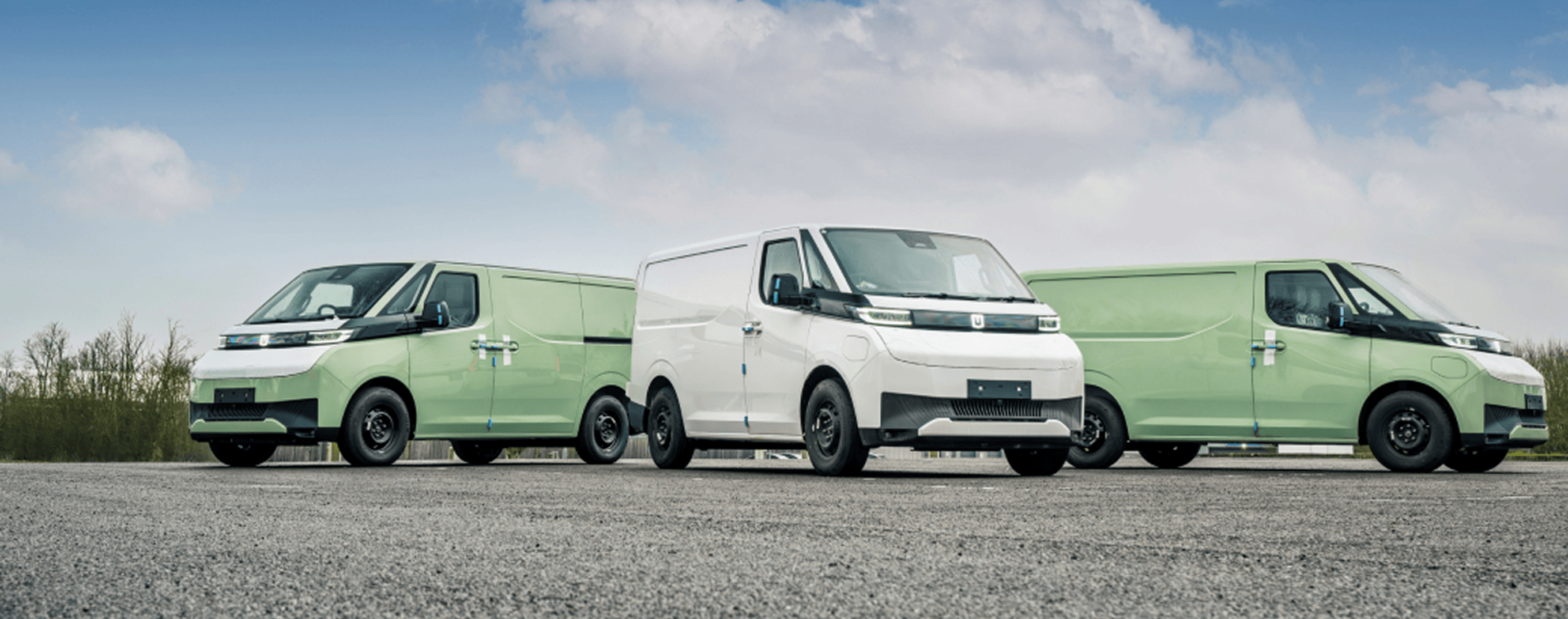
The Farizon SV is available in multiple body configurations, from compact L1H1 variants suitable for urban delivery work through to large L3H3 models that rival the biggest panel vans on UK roads. This modular approach means fleet operators can standardise on one brand across different use cases.
Key Platform Features
✓Purpose-built EV architecture with flat floor and low loading height
✓Multiple wheelbase options to suit different cargo requirements
✓Wide side loading doors and tall rear opening for bulky items
✓Three battery sizes allowing buyers to match capacity to actual needs
✓Cargo volume up to 13 cubic metres in largest configuration
Because the SV wasn't adapted from a diesel van, Farizon could optimise the cargo bay dimensions without working around a traditional engine bay or transmission tunnel. The result is a genuinely flat load floor and square cargo area that maximises usable space.
Performance and Range: How Does It Stack Up?
The Farizon van delivers approximately 228 bhp through a single electric motor, which is notably stronger than many competitors in this segment. That power translates to confident motorway merging and hill climbing even when fully loaded—something diesel van drivers will appreciate.
228 bhp
Electric Motor Output
225 miles
Real-World Range (WLTP)
35 mins
Charging Time (20-80%)
Battery Options
Farizon offers three battery capacities, allowing buyers to balance upfront cost against operational range:
✓67 kWh: Suitable for urban delivery routes with overnight charging
✓83 kWh: Mid-range option balancing cost and capability
✓106 kWh: Maximum range for longer routes or reduced charging frequency
Real-world WLTP range sits between 205 and 225 miles depending on battery size, payload, and driving conditions. In urban stop-start driving with regenerative braking, Farizon claims up to 340 miles is achievable—though that's an optimistic figure most operators won't see consistently.
Farizon vs Ford E-Transit and Mercedes eSprinter
How does the Farizon SV compare against established electric vans already operating on UK roads?
Model
Power
Range (WLTP)
Starting Price
Farizon SV
228 bhp
205-225 miles
~£45,000 + VAT
Ford E-Transit
184 bhp
196 miles
~£49,000 + VAT
Mercedes eSprinter
201 bhp
248 miles
~£55,000 + VAT
The Farizon offers more power than the E-Transit and undercuts both established rivals on price. However, Ford and Mercedes bring extensive UK dealer networks, proven resale values, and decades of commercial vehicle heritage that Farizon simply can't match yet.
Practicality and Payload Capacity
Electric vans often sacrifice payload capacity due to heavy battery packs, but Farizon has managed to maintain competitive figures. Payload ranges from approximately 1,000 kg in smaller configurations up to 1,350 kg in specific variants—enough for most trade and delivery applications.
Cargo volume reaches 13 cubic metres in the largest L3H3 body style, putting it on par with full-size diesel panel vans. The flat load floor and vertical side walls mean you can actually use that volume efficiently, unlike some vans where wheel arches and intrusions eat into usable space.
Expert Tip: If you're running a business that regularly approaches maximum payload, factor in the weight of tools, racking, and signage when specifying your Farizon. The difference between 1,000 kg and 1,350 kg payload might determine which battery size works for your operation.
Towing Capability
The Farizon SV can tow up to 2,000 kg when properly equipped, making it viable for tradespeople who occasionally need to pull a small trailer or equipment. That's competitive with diesel equivalents, though towing will significantly impact range as with any electric vehicle.
Price and Running Costs
Starting at approximately £45,000 plus VAT, the Farizon van undercuts most established electric van competitors. That price advantage could be significant for fleet buyers purchasing multiple vehicles or small businesses stretching budgets to go electric.
Running costs should be substantially lower than diesel equivalents. Electricity is cheaper than diesel per mile, even with recent energy price increases. Servicing requirements are minimal—no oil changes, fewer brake replacements thanks to regenerative braking, and simpler drivetrains with fewer components to fail.
Electric vans are exempt from London's Ultra Low Emission Zone (ULEZ) charges and similar clean air zones in other UK cities. For urban operators, that saving alone can justify the higher upfront cost within a couple of years.
Farizon Van Pros and Cons
Pros
Strong power output (228 bhp) beats most rivals
Purpose-built EV platform, not a conversion
Competitive pricing versus Ford and Mercedes
Multiple battery sizes suit different use cases
Backed by Geely's global resources
Fast charging capability (35 minutes 20-80%)
Cons
Brand new to UK market with no track record
Limited dealer network in early rollout phase
Unknown resale values and depreciation rates
Unproven reliability over UK operating conditions
Parts availability concerns for repairs
No established community of owners for advice
Should You Buy a Farizon Van?
The Farizon van represents a genuine technical alternative to established electric vans, with competitive specs and attractive pricing. But the decision isn't purely about numbers on a spec sheet.
Large fleet operators with in-house maintenance capabilities and the ability to absorb early adopter risks might find the Farizon compelling, especially when ordering multiple vehicles where the price advantage multiplies. The Geely backing provides some reassurance that the brand will still exist in five years when warranty claims might arise.
For small businesses or sole traders, the lack of established UK dealer support is a bigger concern. If your van breaks down and you need parts quickly, can Farizon deliver? Will independent garages stock common wear items? These questions don't have clear answers yet.
Who Should Consider the Farizon SV?
✓Fleet buyers ordering multiple vehicles who can negotiate favourable warranty terms
✓Urban delivery operations with predictable routes and depot charging
✓Businesses operating in ULEZ or clean air zones where exemption matters
✓Early adopters comfortable with new technology and willing to accept some uncertainty
Who Should Wait?
✓Sole traders who depend on a single vehicle and can't afford downtime
✓Buyers in remote areas far from Farizon's initial dealer locations
✓Those who need proven resale values for business planning
✓Conservative buyers who prefer established brands with long UK histories
Frequently Asked Questions
What is a Farizon van?
The Farizon van is a fully electric commercial vehicle built by Farizon Auto, the commercial division of Chinese automotive giant Geely. The main model is the SV (SuperVan), designed from scratch as an EV rather than converted from a diesel platform. It competes with electric vans like the Ford E-Transit and Mercedes eSprinter.
Is Farizon owned by Geely?
Yes, Farizon is the commercial vehicle brand of Geely Group. Geely owns Volvo, Polestar, Lotus, and holds stakes in Mercedes-Benz and Aston Martin. This backing provides Farizon with access to proven EV technology, global supply chains, and substantial financial resources.
How much does the Farizon SV cost in the UK?
The Farizon SV starts at approximately £45,000 plus VAT, making it one of the more affordable electric vans in its class. Final pricing varies depending on battery size, body configuration, and specification level. This undercuts competitors like the Ford E-Transit and Mercedes eSprinter by several thousand pounds.
When is the Farizon van coming to the UK?
Farizon began its UK rollout in 2024, with initial dealer appointments and demonstration vehicles arriving throughout the year. Availability will expand gradually as the dealer network develops. Early buyers should expect limited service locations initially, though this will improve as the brand establishes itself.
What is the real-world range of a Farizon electric van?
Real-world WLTP range for the Farizon SV sits between 205 and 225 miles depending on battery size (67 kWh, 83 kWh, or 106 kWh), payload, weather conditions, and driving style. Urban driving with frequent regenerative braking can extend range significantly, while motorway driving and heavy loads will reduce it.
Is the Farizon van reliable?
It's too early to assess long-term reliability as the Farizon van is brand new to the UK market. The vehicle uses established EV technology from Geely's broader automotive group, which is encouraging. However, there's no track record of how these vans perform under UK operating conditions or how the aftersales network handles warranty claims. Early buyers are essentially proving the concept.
Final Thoughts
The Farizon van arrives in the UK with impressive specifications, competitive pricing, and the backing of a global automotive powerhouse. The SV's purpose-built electric platform, strong power output, and flexible battery options make it technically competitive with established rivals.
However, buying a commercial vehicle involves more than comparing spec sheets. The lack of UK operating history, limited dealer network, and uncertain resale values represent real business risks that conservative buyers will struggle to justify.
For fleet operators willing to work closely with Farizon during the early rollout phase, the potential savings and technical capabilities might prove worthwhile. For most small businesses, waiting 12-24 months to see how the brand establishes itself in the UK market would be the prudent approach.
If you're not ready to take a chance on a brand-new electric van manufacturer, there are plenty of proven alternatives available right now. Browse used vans on OnlyVans to find established electric models like the Nissan e-NV200, Renault Kangoo E-Tech, or earlier Ford E-Transits that have already proven themselves on UK roads.
L
About Luke Polach
Luke Polach is a used vans enthusiast and the founder of Only Vans, a growing UK-based platform dedicated to helping buyers and sellers connect with the best used vans on the market. With a passion for commercial vehicles and years of industry insight, Luke shares practical advice and market knowledge to guide readers through every step of their van-buying journey.