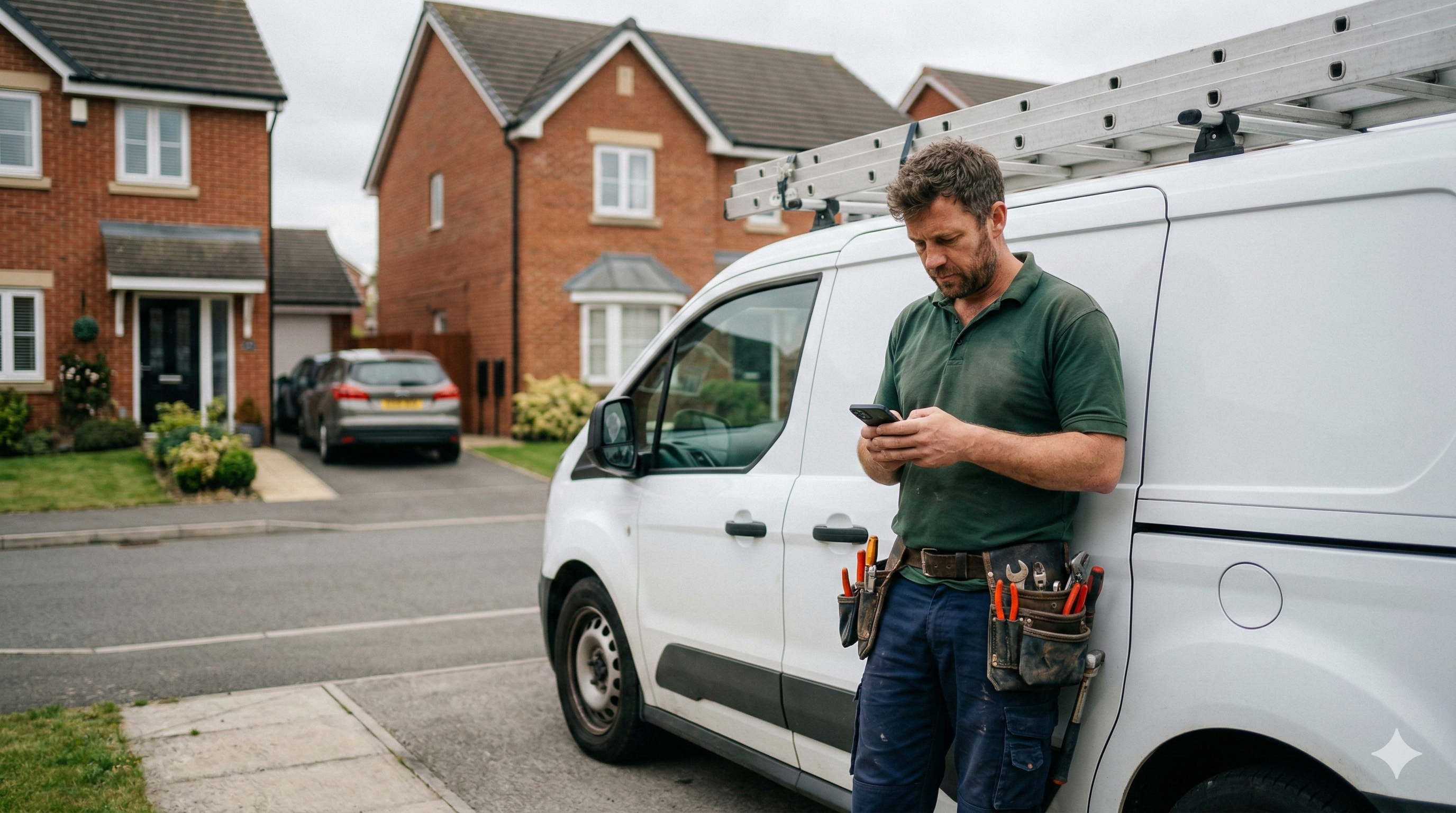
Most UK tradespeople didn't get into plumbing, electrical work, or building to spend evenings doing admin. You're here to fit boilers, wire houses, and solve problems—not chase late payments or wrestle with spreadsheets at midnight.
Yet the business side matters just as much as the tools in your van. Poor cash flow, disorganised quotes, and time lost on paperwork can turn a profitable month into a stressful one. The good news? A handful of simple tools can fix most of these headaches without adding complexity.
Here are five practical tools that UK tradespeople are using in 2026 to work smarter, get paid faster, and keep more of what they earn.
1. Quoting & Invoicing Software
QuoteInvoice.co.uk
If you're still writing quotes in Word or scribbling invoices on paper, you're losing hours every week. A dedicated quoting tool isn't about fancy features—it's about speed and professionalism.
The right software lets you create a quote in under a minute, convert it to an invoice with one click, and email it before you've left the job. Everything stays organised in one dashboard, so you're not hunting through email threads or folders when a customer queries something three months later.
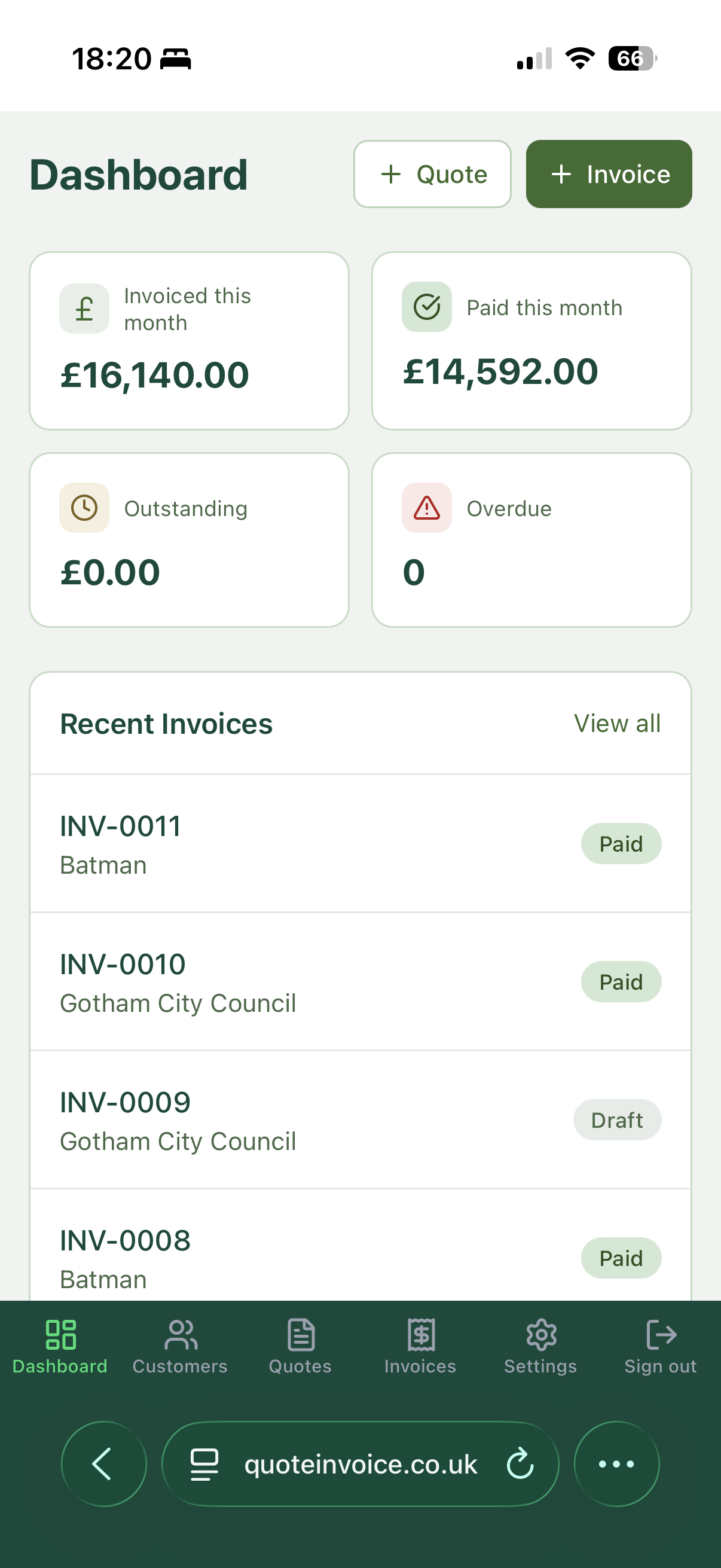
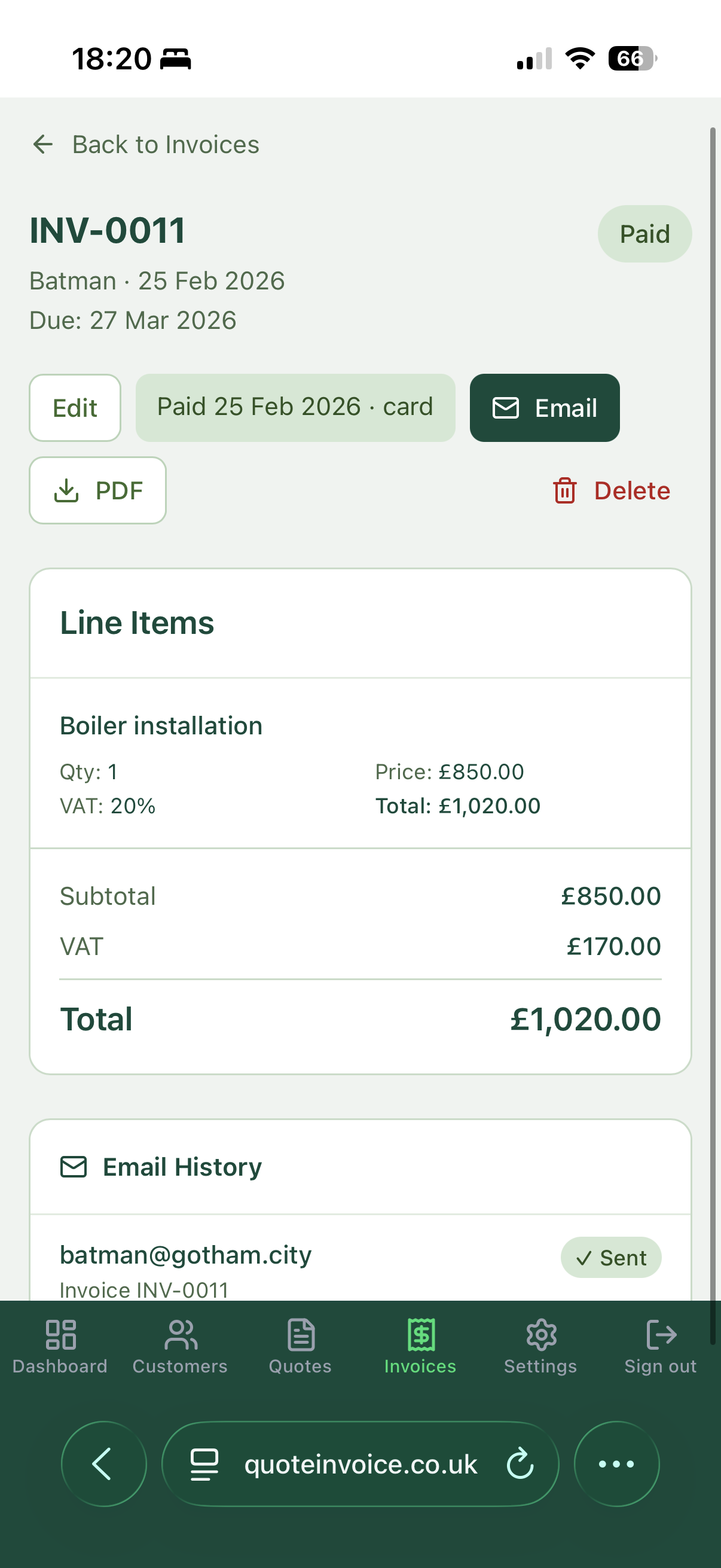
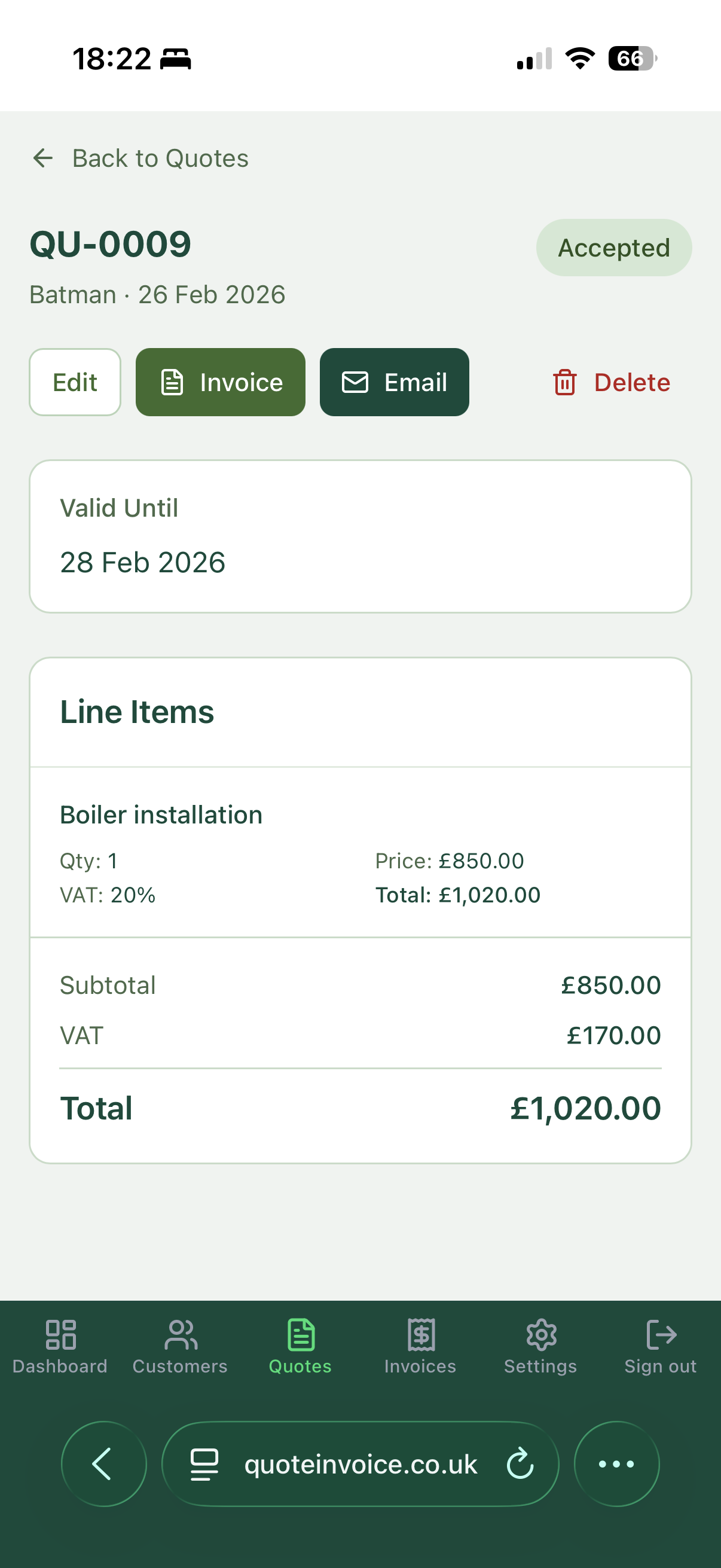
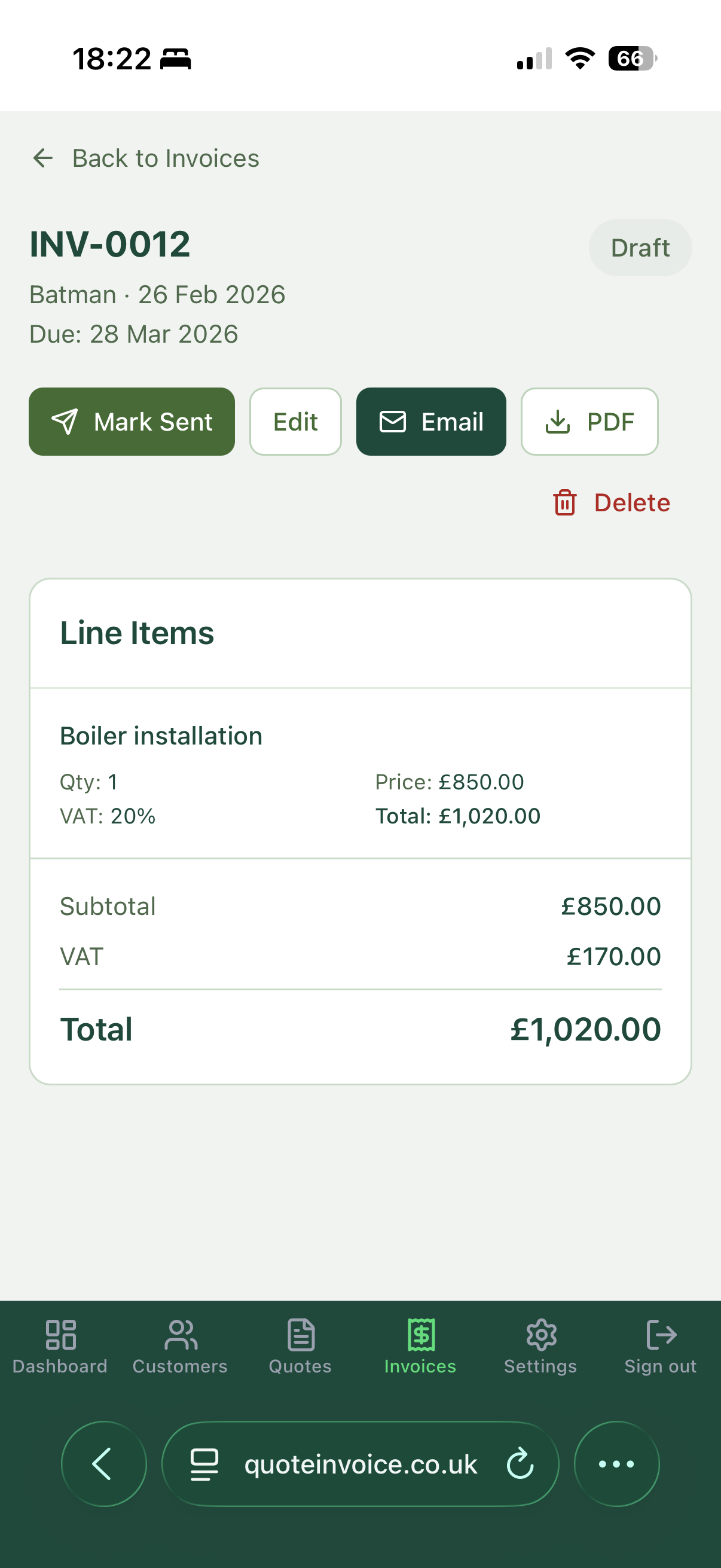
For sole traders and small teams who don't need full accounting software, a lightweight tool like QuoteInvoice keeps things fast and simple. It's built for tradespeople who want to send a professional quote from their phone and get back to work.
- ✓Create quotes in seconds, not minutes
- ✓Convert quotes to invoices instantly
- ✓Email directly from the app
- ✓Keep all customer records in one place
- Price £10/month
Expert Tip: Send your invoice before leaving the job site. Customers are more likely to pay quickly when the work is fresh in their mind and you're still there to answer questions.
2. Card Payment Processing
Bank transfers are fine until someone "forgets" to pay for three weeks. Customers increasingly expect to pay by card, and offering that option dramatically improves your cash flow.

Services like Stripe let you take payment on-site or send a payment link by text or email. The customer clicks, pays, and you're done. No waiting, no chasing, no awkward conversations about overdue invoices.
Even if you still accept bank transfers, having a card option makes you look more professional and gives customers flexibility. For larger jobs, it can mean the difference between getting paid today or in 30 days.
- ✓Get paid immediately on completion
- ✓Send secure payment links by text
- ✓Reduce late payment stress
- ✓Improve customer experience
3. Customer Review & Trust Platforms
Before calling you, most customers check your reviews. It's the first filter they use to decide whether you're worth contacting. If you've got three reviews from 2019, you're losing work to electricians and plumbers with 50 recent ones.
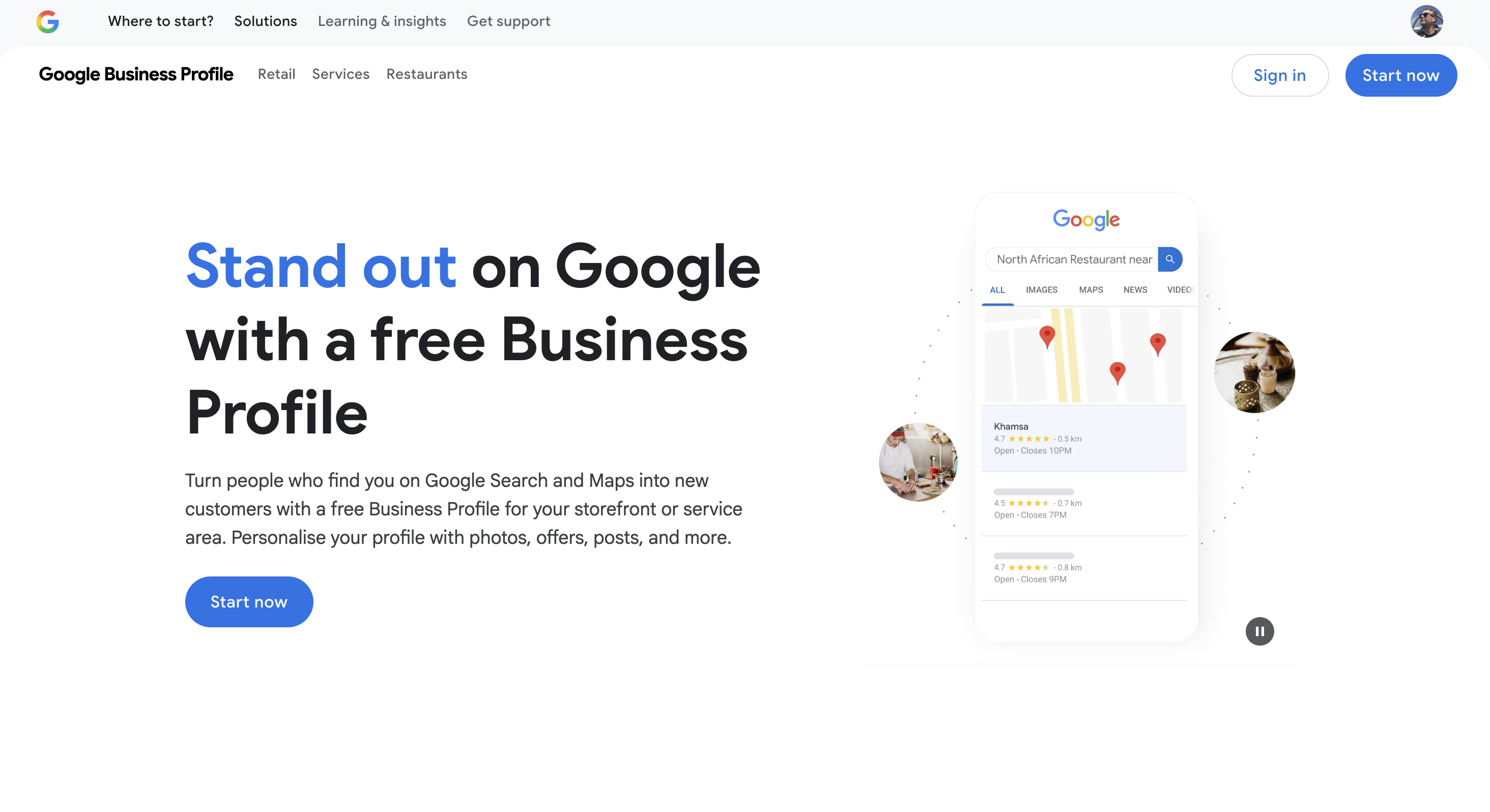
Two platforms matter most for UK trades:
Google Business Profile
Free, appears in local searches, and lets customers see reviews, photos, and contact details instantly. Keep it updated with recent job photos and encourage happy customers to leave reviews.
Checkatrade
Still the go-to platform for homeowners looking for verified tradespeople. A strong Checkatrade profile with genuine reviews can double your enquiry rate, especially for larger jobs where customers want reassurance.
Expert Tip: Ask for reviews within 24 hours of finishing a job. Send a quick text with a direct link. Customers are far more likely to leave a review when the work is fresh and they're still pleased with the result.
4. Expense Tracking & Simple Accounting
Even if you hate admin, tracking your expenses is critical. Many tradespeople think they're profitable but don't actually know their margins once fuel, materials, tools, and subcontractor payments are accounted for.
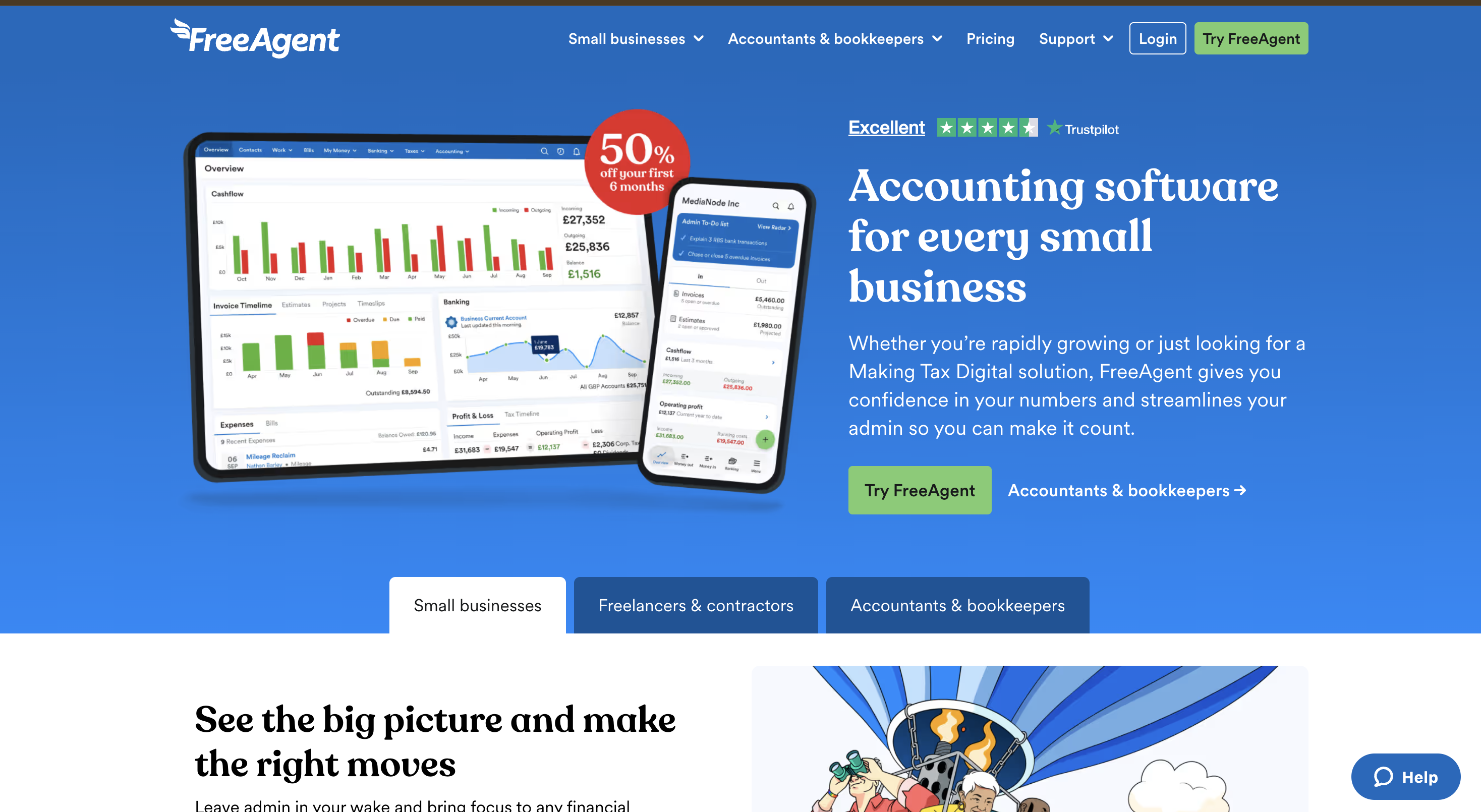
Tools like FreeAgent are built for sole traders and small businesses. You can snap a photo of a receipt, categorise it, and forget about it. At the end of the year, everything's ready for your accountant—or you can file your own tax return directly through the platform.
- ✓Track fuel, materials, and tool costs
- ✓Know your real profit margins
- ✓Simplify Self Assessment tax returns
- ✓Connect to your business bank account
You don't need to become an accountant, but knowing whether that big job actually made you money—after van costs, materials, and your time—helps you price better and work smarter.
Price £10/month
5. A Reliable Van Marketplace
Your van isn't just transport—it's your mobile workshop, your storage unit, and your business card. Whether you're upgrading, downsizing, or adding another vehicle to your fleet, where you buy matters.

General classifieds sites are cluttered with overpriced dealer stock and dodgy private sellers. Specialist van marketplaces like OnlyVans UK focus purely on commercial vehicles, making it easier to compare real market prices and find trade-ready vans without the noise.
- ✓Compare genuine market prices
- ✓Avoid inflated dealer markups
- ✓Reach serious trade buyers when selling
- ✓Filter by payload, size, and features that matter
A good van isn't an expense—it's revenue infrastructure. Choosing the right one, at the right price, directly affects how much you can earn and how reliably you can work.
Price: free, optional boosting
Expert Tip: When buying a used van, check service history and MOT records online before viewing. A van with consistent maintenance is worth paying slightly more for than a cheaper one with gaps in its history.
Frequently Asked Questions
What's the most important tool for new tradespeople starting out?
Quoting and invoicing software. Getting paid quickly and professionally from day one sets the foundation for healthy cash flow. Everything else can be added as you grow, but you need a system for quotes and invoices immediately.
Do I really need card payment processing if customers pay by bank transfer?
You don't need it, but it helps. Offering card payments reduces late payments and gives customers flexibility. Many people now prefer paying by card, especially for larger amounts. Even if only 30% of customers use it, that's 30% who pay you faster.
How much do these tools typically cost?
Most quoting tools cost between £10–£30 per month. Card processing typically charges around 1.5–2.5% per transaction. Accounting software ranges from £15–£30 monthly. Review platforms like Google Business Profile are free, while Checkatrade operates on a subscription model. The time and stress they save usually pays for itself within weeks.
Should plumbers and electricians use different tools?
The core tools—quoting, payments, reviews, and accounting—work for all trades. Some software offers trade-specific features like parts catalogues or compliance checklists, but most tradespeople benefit from simple, universal tools rather than overcomplicated specialist software.
Can I manage without expense tracking software?
You can, but you're probably underestimating your costs. Fuel, materials, tool replacements, and vehicle maintenance add up quickly. Without tracking them properly, you might think you're making £40k a year when your actual take-home after expenses is closer to £28k. Knowing the real numbers helps you price jobs correctly.
Where's the best place to buy a used van in 2026?
Specialist van marketplaces give you better filtering, more accurate pricing, and less time wasted on unsuitable vehicles. Platforms like OnlyVans UK focus purely on commercial vehicles, so you're comparing like-for-like and dealing with sellers who understand trade requirements. General sites work too, but expect more noise and inflated prices.
Final Thoughts
None of these tools will fix a badly run business, but they'll make a good one run smoother. The goal isn't to spend your evenings learning software—it's to spend less time on admin and more time earning.
Start with quoting and invoicing. Add card payments when you're tired of chasing money. Build your review presence steadily. Track expenses so you know what you're actually earning. And when it's time to upgrade your van, use a marketplace that understands what tradespeople need.
The trades who thrive in 2026 aren't necessarily the best plumbers or electricians—they're the ones who get the business side right without letting it take over their lives.